Promoting Health, Wellbeing and Safety in Early Childhood
Explore the vital factors influencing the health and wellbeing of children and families. This section provides an in-depth look at challenges, policies, and effective strategies to foster thriving environments in early childhood services.
Understanding the context
Health and wellbeing contexts are environments related to family factors that affect children’s emotional, psychological, and physical safety. Some examples include parents with mental disorders, problems with substance abuse, trauma, grief, neglect, and physical or emotional abuse. Such experiences could have a significant impact on children’s development, relationships, and their ability to learn in early years. According to recent studies, in Australia, a large proportion of children grow up in families impacted by mental health issues, family stress, and adverse childhood experiences.
This context is extremely pertinent in the domain of early childhood education because young children require a stable and nurturing environment for appropriate brain development and emotional wellbeing. The theoretical frameworks that could explain the connection between family contexts and children’s development are Bronfenbrenner’s ecological systems theory and attachment theory. The former suggests that family stress could have an effect on children’s behavior, learning processes, and overall wellbeing (Grace & Baird, 2022).
Studies have indicated that adverse childhood experiences have an impact on lifelong physical and psychological wellbeing. According to the National Scientific Council on the Developing Child (2020), for instance, prolonged stress related to adverse conditions causes structural changes in brain architecture and emotions. Family stress, poverty, and trauma are among the social factors of development disparities, as identified by Moore et al. (2015). These factors influence different families in Australia irrespective of their socioeconomic background, despite disparities in access to resources.

Impact on children and families
Children living with parents struggling with mental disorders or substance abuse problems may feel scared, anxious, develop sleep disturbances, emotional imbalances, and display challenging behaviors. Other children may take up caregiving roles, monitor adults' interactions, and show heightened sensitivities to their parents' emotions. They might be withdrawn and find it hard to form connections.
The parent may suffer from mental illness, including anxiety and depression, and impact the child's daily routine and family relationships. As stated by Beyond Blue, for example, parenting is difficult when dealing with mental illnesses without assistance (Beyond Blue, n.d.). Moreover, children are impacted when their parents feel ashamed and refrain from seeking help.
Substance misuse may lead to neglect, inconsistent caregiving, and family conflicts. According to Incerti et al. (2015), substance misuse can affect siblings' relationships and cause family disruption. Tsantefski et al. (2013) also observe that relatives frequently serve as significant protective factors for children affected by parents' substance addiction problems.
In addition, trauma, loss, and abuse may result from family violence, unexpected death, separation, neglect, and environmental dangers. As explained by the National Scientific Council on the Developing Child (2020), repeated trauma in the absence of supportive connections may impact a child's social and cognitive growth. Early childhood programs have a crucial part to play in this regard because they provide safety, stable schedules, and positive relationships.
Social policy and Australian responses
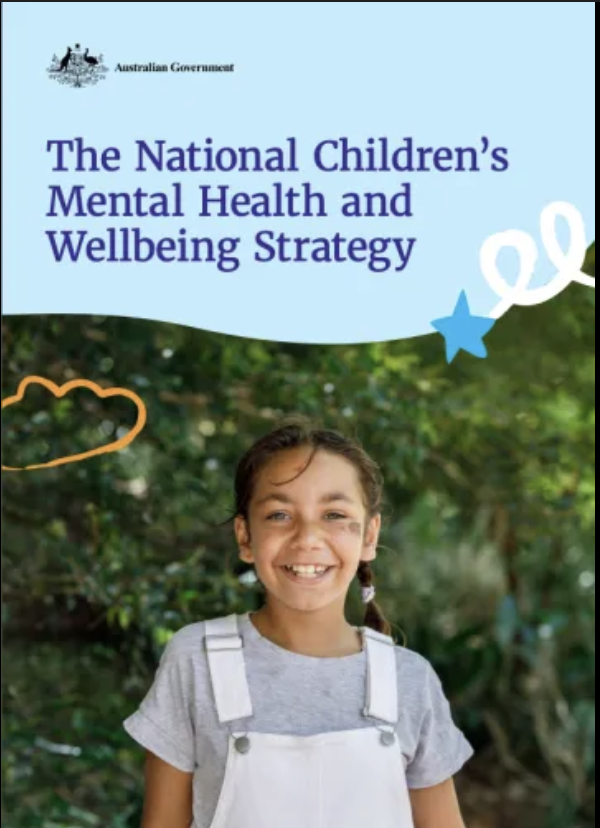
Australia has formulated policies and services aimed at supporting the welfare of children and families. Each jurisdiction's legislation concerning child protection deals with abuse and neglect. Additionally, national mental health strategies emphasize early interventions, parenting support, and trauma-informed approaches.
The Beyond Blue website also has resources for parents about mental health, providing advice and information about anxiety and depression. The Be You website has evidence-based mental health information for educators to support wellbeing planning, mental health promotion, and trauma-informed practice. Emerging Minds is dedicated to infant and childhood mental health and delivers professional development opportunities for professionals working with families. The Blue Knot Foundation works with individuals impacted by complex trauma and abuse through education and counselling programs.
Such services can support early intervention and build the skills of educators; however, there are still challenges, including stigma, waitlists, cost, and accessibility in rural areas. According to Woodrow et al. (2022), a coordinated system and family-centered approach are critical in achieving positive outcomes for at-risk children.

Strategies for practice
- Creating safe and predictable environments
Children suffering from stress and trauma will be able to cope better with routine activities and predictable spaces (Woodrow et al., 2022).
- Fostering relationships
Relationships with educators may serve as protective factors for children who face adversity in their families.
- Teaching emotional skills
Educators may teach children about emotions by using stories, games, mindfulness and visuals.
- Working with families in respectful manner
The approach that acknowledges strengths and avoids judgement may encourage cooperation from parents (Beyond Blue, n.d.).
- Referral to other professionals
Families may require access to psychologists, family violence counsellors, alcohol and drug programs, grief counselling or even child protection.
These practice strategies can be implemented by early childhood teachers through observation, wellbeing planning, meetings with families and trauma informed curricula.

Community and professional partnerships
- Beyond Blue – parent information and support regarding mental health.
- Be You – mental health and wellbeing support for educators.
- Emerging Minds – infant and children’s mental health support.
- Blue Knot Foundation – mental health and trauma support services.
- Lives Lived Well – substance misuse treatment support.
Professionals like psychologists, counsellors, social workers, family violence workers, paediatricians, and child protection workers can partner with educators for better outcomes (Woodrow et al., 2022).

Resources for educators and children
Websites
- Beyond Blue – Parenting and mental health information
https://www.beyondblue.org.au/mental-health/parenting - Be You – Educator fact sheets and wellbeing planning
https://beyou.edu.au - Emerging Minds – Child mental health and trauma resources
https://emergingminds.com.au - Blue Knot Foundation – Trauma-informed support resources
https://blueknot.org.au
Books
- Ruby Finds a Worry
https://www.goodreads.com/book/show/39861883-ruby-finds-a-worry - The Huge Bag of Worries
https://www.goodreads.com/book/show/1342014.The_Huge_Bag_of_Worries - When Dinosaurs Die
https://www.goodreads.com/book/show/858073.When_Dinosaurs_Die - A Terrible Thing Happened
https://www.goodreads.com/book/show/408813.A_Terrible_Thing_Happened
Educational Videos
- How Childhood Trauma Affects the Brain (ACES Study)
https://www.youtube.com/results?search_query=How+Childhood+Trauma+Affects+the+Brain+ACES+Study - The Lives of Neglected Children (Sprouts)
https://www.youtube.com/results?search_query=Sprouts+The+Lives+of+Neglected+Children - Exposing the Family Effect of Addiction
https://www.youtube.com/results?search_query=Exposing+the+Family+Effect+of+Addiction - 11 Oddly Specific Childhood Trauma Issues
https://www.youtube.com/results?search_query=11+Oddly+Specific+Childhood+Trauma+Issues