Responding to Economic Contexts in Early Childhood
This section delves into the critical area of crisis and emergency contexts affecting children, families, and communities. We explore understanding these situations, their impact, policy responses, and effective strategies for support and recovery. Our goal is to equip early childhood services with the knowledge and tools needed to respond effectively to challenging times.

Understanding the context of crises
A crisis and emergency context involves a sudden event that threatens the wellbeing of children and their families. The crises include climate change, bushfires, floods, storms, pandemics, violence in the family, wars, forced migration, and forced displacement. The crises affect how children function in their routines, housing, relationships, learning and emotions. In the Australian setting, the recent bushfires, floods, and family violence cases have shown the vulnerability of young children when there are emergencies (Grace & Baird, 2022).
The context is very significant to early childhood education as the development of young children depends on routines, relationships, predictability and safety. As noted in Bronfenbrenner’s ecological systems theory, the wellbeing of children is linked to the wellbeing of family homes, communities and other parts of the social systems. If there are crises affecting the family home or communities, then the children are affected too in terms of development (Grace & Baird, 2022).
Studies show that prolonged periods of crises could generate toxic stress, anxiety, and developmental problems in children who lack protective factors. According to the National Scientific Council on the Developing Child (2020), extreme adverse experiences without adequate caregiving can lead to compromised brain development, self-regulation, and learning. Children displaced by violence or other factors can suffer from grief, trauma, and uncertainty (Sanagavarapu, 2022).
The problem is varied and complex. While some families might face the loss of their homes due to natural disasters, others could be forced to flee violence and wars. Climate change is leading to more frequent and intense crises around the world. Thus, educators should be prepared to assist children and families before, during, and after any crisis event.

Impact on children and families
Natural disasters such as bushfires, floods, and cyclones can have a considerable impact on the physical, emotional, and social wellbeing of children. Children may experience fear, clinginess, withdrawal, and other behavioral issues due to their exposure to natural disasters that cause property damage and relocation.
The impact of climate change on children includes heat waves, anxiety about the environment, food insecurity, and displacement. Some children may develop anxiety and fears due to news about the impacts of climate change. According to UNICEF and international research, children and families face a disproportionate risk due to climate change disruption (UNICEF, n.d.).
Family violence is one more type of crisis. Exposure to violence can cause children to feel fearful, sleep problems, aggressive behavior, anxiety, and developmental delay. Children may find it difficult to form trusting relationships. According to 1800RESPECT, family violence is a problem affecting not only adult members but also children exposed to domestic violence (1800RESPECT, n.d.).
Displacement from conflict, persecution, or disasters may cause an interruption in education, healthcare, and family connections. Refugee children might have already undergone stressful experiences before their resettlement. According to Sanagavarapu (2022), refugee children assist their families in adjusting to new conditions while learning about different systems and languages.
The early childhood services act as a supportive environment for recovery, providing structure, play, emotional well-being, and reliable people (Woodrow et al., 2022).
Social policy and Australian responses
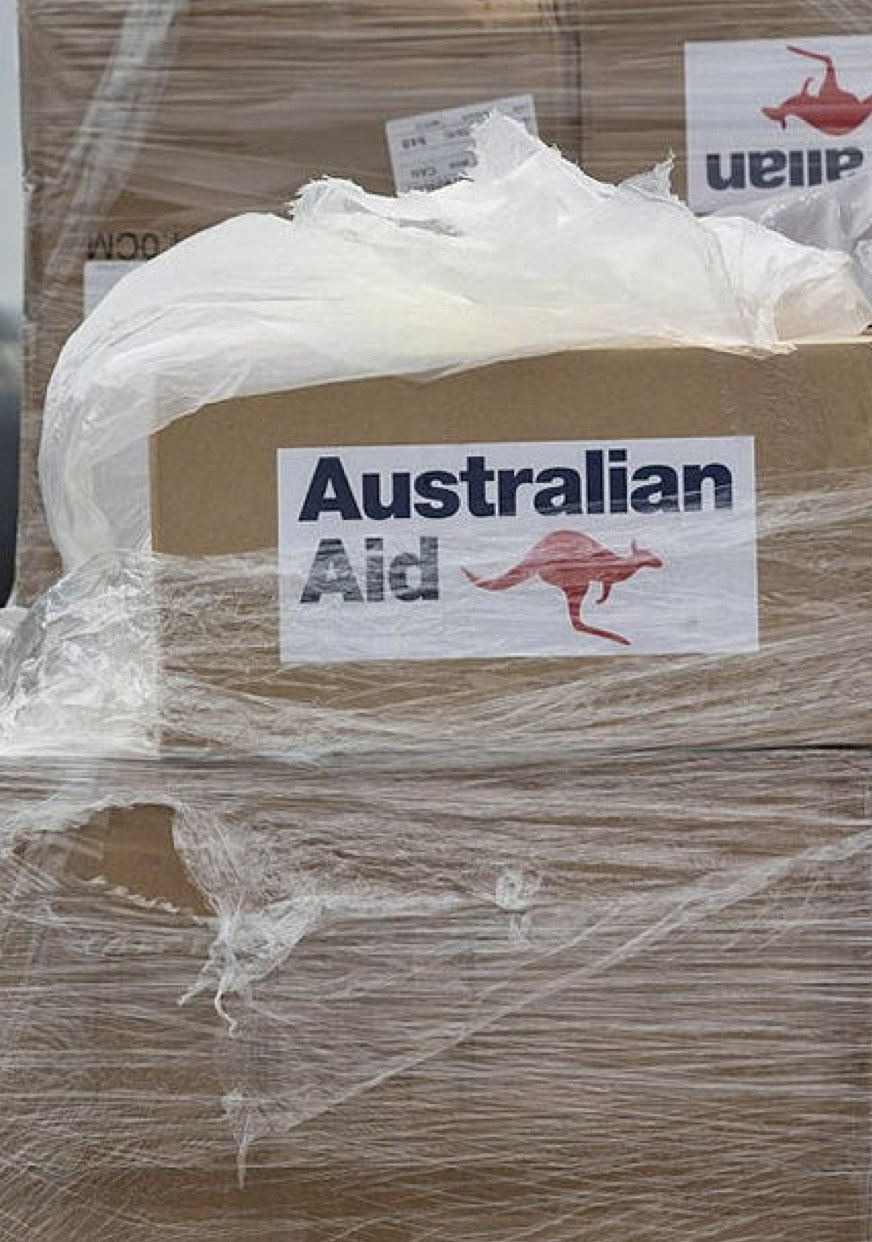
Australia has implemented emergency management, child protection, and family safety strategies to assist families in emergencies. National and state programs for disaster recovery include providing relief services, emergency accommodation, and counseling after bushfires and floods.
The Australian Red Cross delivers emergency preparedness services, assistance, and humanitarian support in disasters. The Emerging Minds organization offers materials for supporting children's psychological wellbeing after disasters, trauma, and family-related stress. The 1800RESPECT service provides confidential help for domestic violence, sexual assault, and abuse. The Refugee Council of Australia is dedicated to advocating refugee rights and humane policies for refugees.
All of these measures ensure family access to various assistance resources; yet some barriers still exist. Recovery may take more time in rural areas; violence among family members can be underreported; and resettled families might encounter language and accommodation problems. According to Woodrow et al. (2022), comprehensive community responses are crucial for protecting vulnerable children.

Strategies for practice
Maintain safe and predictable practices
Routines like regular times, gentle transitions, and familiar settings reassure children after crises (Woodrow et al., 2022).
- Adopt trauma-informed practices
Address behaviors in an empathic manner, prevent re-victimization, and prioritize emotional security (Emerging Minds, n.d.).
- Employ play-based activities to promote emotional expression
Drawing, narratives, sensory play, and storybooks enable children to express their anxieties and experiences (National Scientific Council on the Developing Child, 2020).
- Facilitate effective family communication and referrals
Engage with caregivers respectfully and assist families in connecting to emergency support, counseling, or domestic violence services (Woodrow et al., 2022).
- Foster resilience and preparedness
Discuss appropriate emergency strategies, helpers, and coping methods according to developmental stages (Grace & Baird, 2022).
Early Childhood Teachers can adopt the strategies by observation, wellbeing planning, flexible curriculum response, and collaboration with parents/guardians during meetings. It is vital for educators to consider their wellbeing in handling trauma-related incidents.

Community and professional partnerships
- Australian Red Cross - disaster recovery, preparedness, and emergency relief.
- Emerging Minds – mental well-being for children experiencing trauma and disasters.
- 1800RESPECT – services for domestic violence and abuse.
- Refugee Council of Australia – advocacy for refugees and their settlement.
- State Emergency Service (SES) – community emergency response service.
Health professionals such as psychologists, social workers, emergency responders, family violence workers, settlement workers, and counselors can partner with educators to devise recovery plans (Woodrow et al., 2022).

Resources for educators and children
Websites
- Australian Red Cross – Emergency preparedness and disaster recovery resources
https://www.redcross.org.au - Emerging Minds – Child trauma and mental health supports
https://emergingminds.com.au - 1800RESPECT – Family violence and abuse support information
https://www.1800respect.org.au - Refugee Council of Australia – Refugee education and settlement resources
https://www.refugeecouncil.org.au
Books
- The Fire Wombat
https://www.goodreads.com/book/show/48766624-the-fire-wombat - Grug and the Bushfire
https://www.goodreads.com/search?q=Grug+and+the+Bushfire - Birdie’s Tree
https://www.goodreads.com/search?q=Birdie%27s+Tree+Sally+Morgan - The Journey
https://www.goodreads.com/book/show/30793481-the-journey - Flood
https://www.goodreads.com/search?q=Flood+Jackie+French+Bruce+Whatley
Educational Videos
- Climate Change and Sustainable Development
https://www.youtube.com/results?search_query=Climate+Change+and+Sustainable+Development+education - Floods - The Dr. Binocs Show
https://www.youtube.com/results?search_query=Floods+Dr+Binocs+Show - How climate change impacted Aisha's childhood
https://www.youtube.com/results?search_query=How+climate+change+impacted+Aisha%27s+childhood - Tsunami Warnings and Causes
https://www.youtube.com/results?search_query=Tsunami+Warnings+and+Causes+for+children