Understanding the context
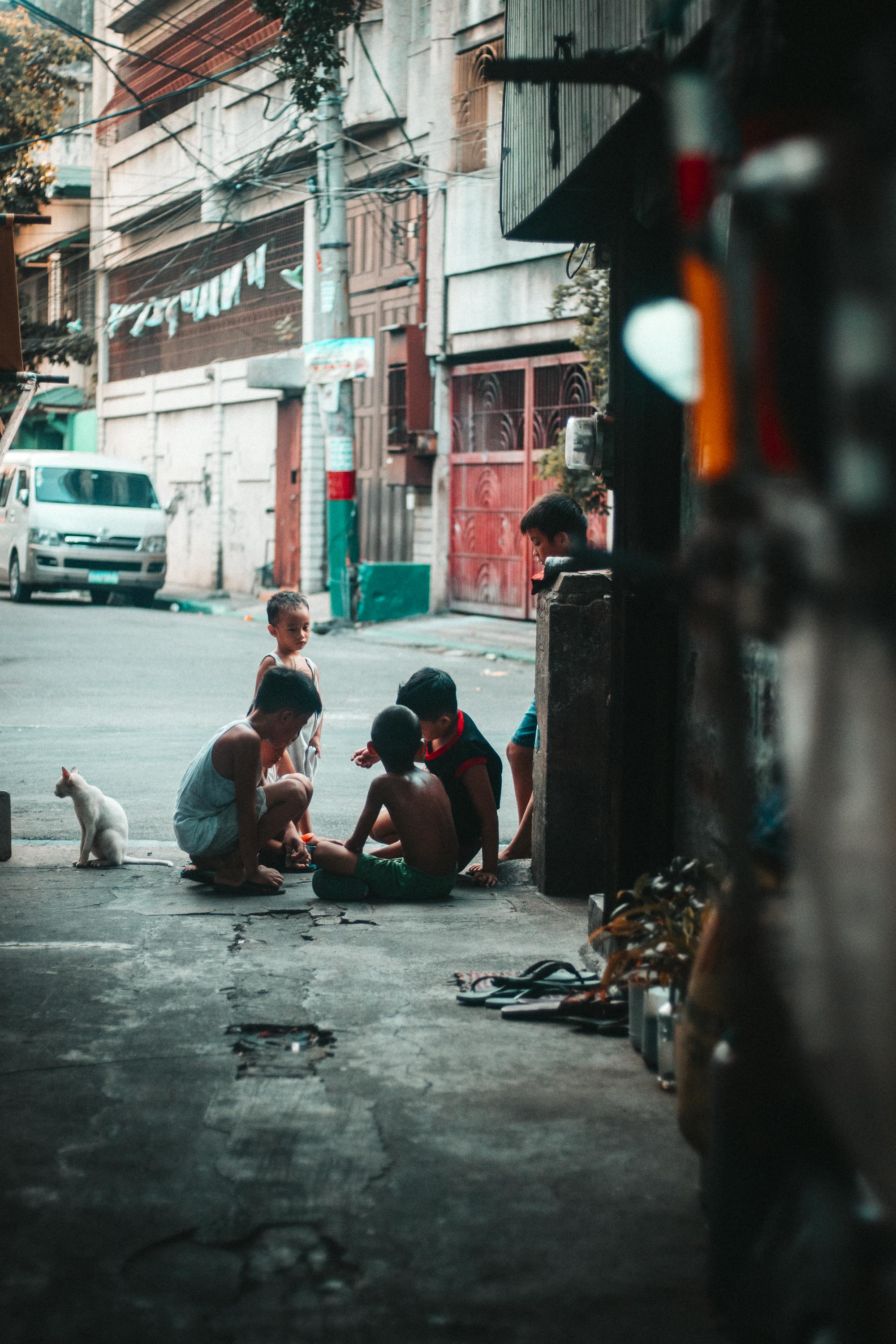
An economic context can be described as the environment characterized by poor economic status that affects the lives of people in terms of poverty, unemployment, housing problems, lack of food and other necessities. The case in point is that in Australia, there are families with children who struggle because of increasing costs of living, job insecurity, and costly rent. Poverty is viewed as the inability to earn enough money to participate in social activities. Housing stress exists when individuals allocate over 30% of their income on housing expenses and cannot afford food, healthcare, and schooling (AIHW, 2022).
The above discussion is particularly important for early childhood education because children’s growth is significantly shaped by the domestic setting. Ecological systems theory states that there are several systems impacting children, such as family income, housing, and other facilities provided by the local community (Grace & Baird, 2022). Poverty experienced by families leads to stressful conditions in the microsystem that might influence children’s emotional stability and educational prospects. In addition, social capital proposed by Bourdieu provides a useful framework for understanding how disadvantaged families lack adequate networking and access to appropriate facilities (Camberis & McMahon, 2017).
Research indicates that poverty experienced during early childhood may lead to health, education, and work-related consequences throughout life (Duncan et al., 2013). According to Moore et al. (2015), social determinants, such as income, housing, and neighbourhood security, influence developmental disparities. Poverty in Australia is multifaceted and dynamic. Single parent, refugee, Aboriginal and Torres Strait Islander, rural, and families who experience economic impacts due to inflation or unemployment are all affected (Grace & Baird, 2022). Educators need to acknowledge that poverty may affect individuals from various backgrounds.
Responding to Economic Contexts in Early Childhood
Explore the profound impact of economic factors on children, families, and communities. This section provides a comprehensive look at challenges, policies, and practical strategies to foster resilience and support.
Impact on children and families
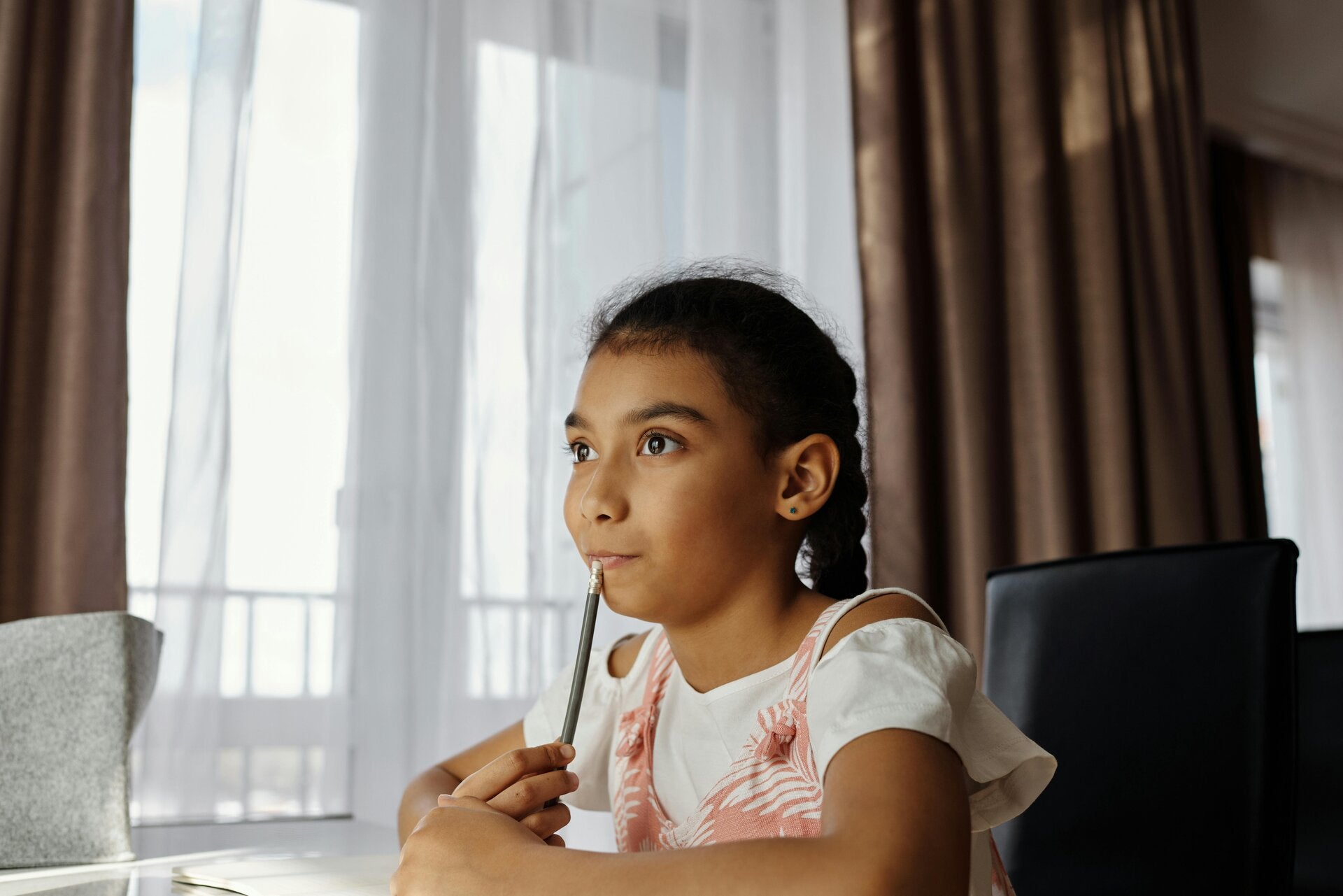
Poverty can have a profound effect on the development of children’s minds, bodies, social skills, and emotions. Children growing up in poor families may not get access to sufficient nutrition, stable homes, reading materials, technology, and stimulating environment. Repeated moving because of insecure accommodation can lead to disrupted rhythms and attachment bonds (AIHW, 2022). Children can be subject to anxiety if they witness stressful interactions between their parents or feel threatened by their situations.
It was found that poverty negatively correlates with school readiness and literacy, as well as behavioural problems (Duncan et al., 2013). It is highly likely for children coming from poor families to come to services being tired, hungry, or distressed. Socially, they might feel left out due to an inability to afford excursions, celebrations, and paid activities.
Poverty affects families adversely by generating stress and depression. Poverty could lead parents to seek employment in more than one job leading to inadequate time to provide responsive caregiving. Early childhood services will have to ensure that they offer their clients extra emotional support, flexible payments, and help with access to food and clothing assistance programs (Woodrow et al., 2022). Educators should be careful not to judge and appreciate the strengths of families when intervening in any way.

Social policy and Australian responses
Australia has a number of social policies meant to alleviate child economic disadvantage and promote development. These include Family Tax Benefits offered by the Australian government to low-income families, Child Care Subsidy, and Parenting Payment (Woodrow et al., 2022).
Poverty, according to the Australian Council of Social Service, is still a big problem since many kids live under the poverty line (ACOSS, n.d.). According to the Australian Institute of Health and Welfare, there is stress related to housing, homelessness, and a demand for housing assistance (AIHW, 2022). Internationally, there is the OECD Affordable Housing Database that measures the affordability of housing and also stresses the issue among families (OECD, n.d.). The SGS Economics and Planning Rental Affordability Index also illustrates how severe rental stress is across Australia (SGS Economics and Planning, n.d.).
This policy response positively impacts early childhood practices because families will have increased access to early learning and other family-related supports. There are, however, issues that educators need to be aware of. It may be that subsidies do not entirely cover costs, that waiting lists for social housing are very long, or that certain vulnerable families cannot access services (Grace & Baird, 2022).

Strategies for practice
Strategies for practice
- Include all learners
Make sure all children have access to learning opportunities regardless of their economic status. Employ cost-effective practices such as avoiding additional charges and providing alternatives to activities and field trips (Woodrow et al., 2022).
Foster trustful partnerships with families
Employ communication methods that are confidential and respectful. Trustful partnerships increase the likelihood that families will seek help (Camberis & McMahon, 2017).
- Promote good nutrition and general wellness
Offer nutritious meals and/or refer children to services. Nutrition contributes to improved focus and behavioral performance (Moore et al., 2015).
- Implement social-emotional learning
Employ play-based learning to support resilience and social-emotional development in young children (Grace & Baird, 2022).
- Provide connections to community support services
Provide referrals for housing support, financial advice, work placements, and parenting courses. Early intervention helps avoid increased hardship in families' lives (Woodrow et al., 2022).
Educators can employ these strategies in their practice using daily observations, family conferences, trauma-informed education and collaboration.

Community and professional partnerships
Partnerships within the Community and Profession
Australian Council of Social Service
Provides research, advocacy, and poverty data. Educators can utilize this resource to learn about disadvantage and make informed advocacy decisions.
Australian Institute of Health and Welfare
National data available on housing, welfare, and child welfare to aid in planning.
The Smith Family
Assists disadvantaged children through education, learning materials, and assistance to families.
Foodbank Australia
Provides emergency food aid. Schools can work with Foodbank for fundraising campaigns and family referrals.
UnitingCare Australia
Includes counseling, housing services, and family services for disadvantaged people.
Educators may also establish partnerships with professionals including social workers, family support workers, and community health nurses.

Resources for educators and children
Websites
- Australian Council of Social Service – Poverty and Inequality in Australia
🔗 https://povertyandinequality.acoss.org.au - Australian Institute of Health and Welfare – Housing Assistance Reports
🔗 https://www.aihw.gov.au/reports/australias-welfare/housing-assistance - SGS Economics and Planning – Rental Affordability Index
🔗 https://sgsep.com.au/projects/rental-affordability-index - OECD – Affordable Housing Database
🔗 https://www.oecd.org/housing/data/affordable-housing-database
Books
- A Chair for My Mother
🔗 View Book - Those Shoes
🔗 https://www.amazon.com/Those-Shoes-Maribeth-Boelts/dp/0763642841 - Maddi's Fridge
🔗 https://www.amazon.com/Maddis-Fridge-Lois-Brandt/dp/1936261294
4. Last Stop on Market Street
🔗 https://www.penguinrandomhouse.com/books/239554/last-stop-on-market-street-by-matt-de-la-pena-illustrated-by-christian-robinson/
Educational Videos
- Wealth and Poverty – Prof. Robert Reich
🔗 https://www.youtube.com/results?search_query=Robert+Reich+Wealth+and+Poverty - What is Poverty? – MindSpark Kids
🔗 https://www.youtube.com/results?search_query=MindSpark+Kids+What+is+Poverty - Born Into Poverty, Dreaming of a Normal Childhood
🔗 https://www.youtube.com/results?search_query=Born+Into+Poverty+Dreaming+of+a+Normal+Childhood - Why is it so hard to escape poverty? – TED-Ed
🔗 https://www.youtube.com/results?search_query=TED-Ed+Why+is+it+so+hard+to+escape+poverty